
Kettlebells
Strength That Carries Over to Real Life
I've trained with kettlebells for ten years. They're how I build strength, keep my joints happy, and stay ready for the mat.
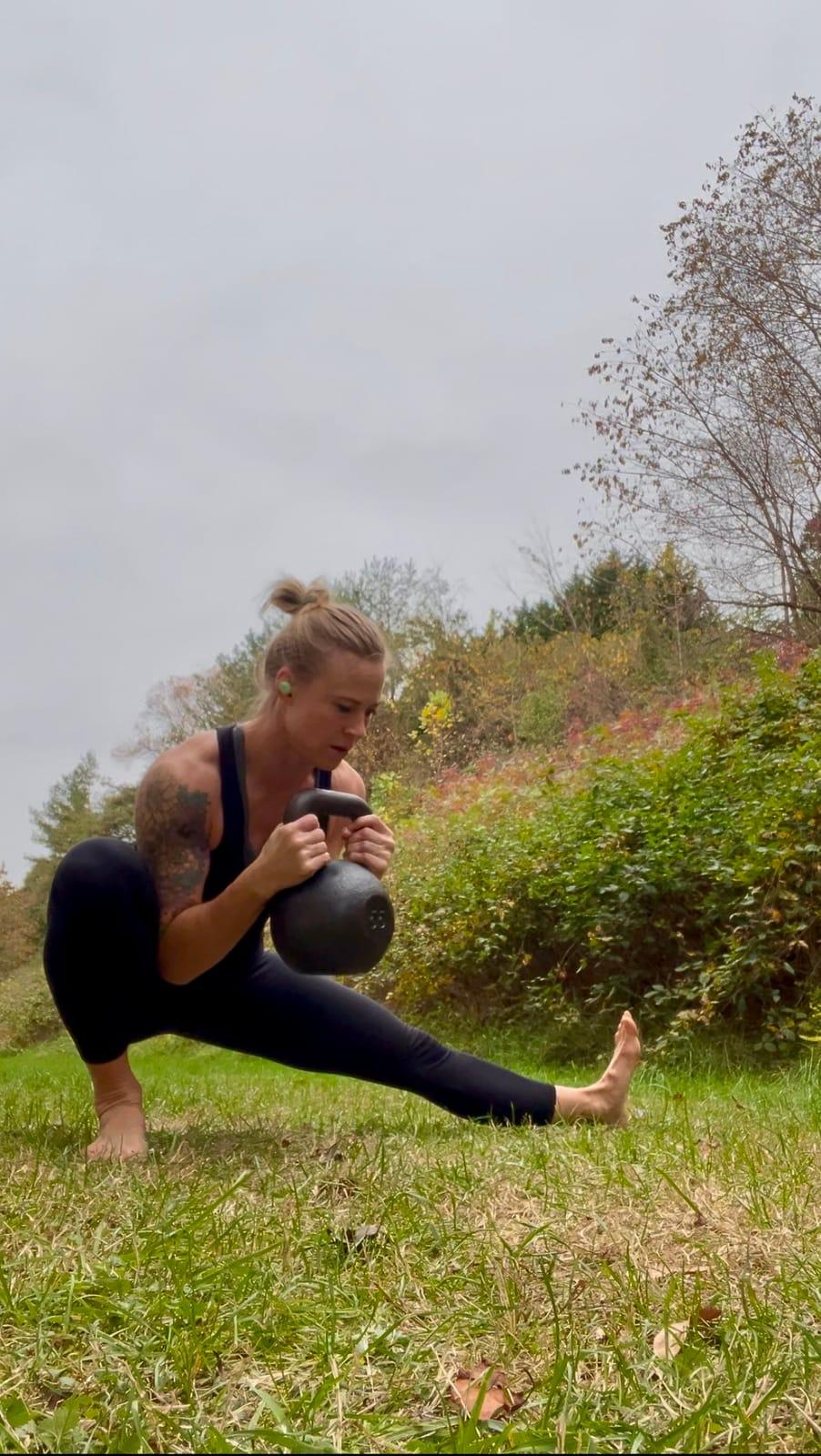
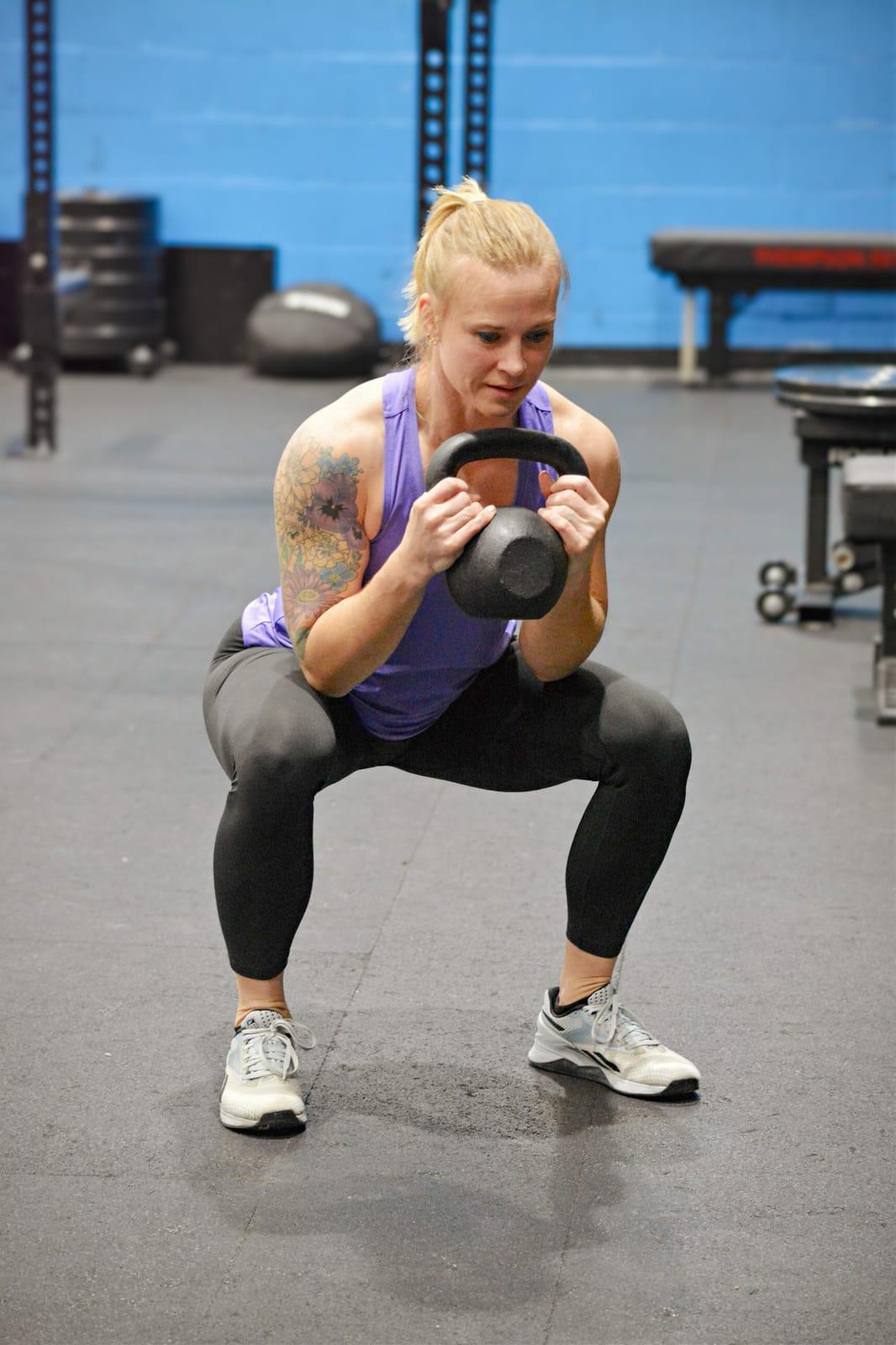
Kettlebells Changed How I Train
Kettlebells honestly changed my life in a way I didn't expect. After years of barbells and chasing numbers, training started to beat me up instead of making me feel better.
Kettlebells slowed me down, cleaned up how I move, and gave me strength that actually carries over to real life. I got stronger, leaned out, and stopped feeling like every workout was a gamble on how my joints would feel the next day.
On top of that, I can get a legit workout in 40 minutes without living in the gym.
If you want to build functional strength, mobility and train for longevity in a time-efficient way, kettlebells are hard to beat.
What I Use Them For
Strength
Cleans, presses, squats and get-ups with a weight that fights back. I get strong without grinding my joints down to do it.
Mobility
Cossacks, windmills and get-ups take my hips and shoulders through full range with load on them. I get strong in the positions most people avoid.
Everyday Strength
Carrying awkward things, picking stuff up off the floor, getting down and back up. The strength life actually asks for.
Grappling
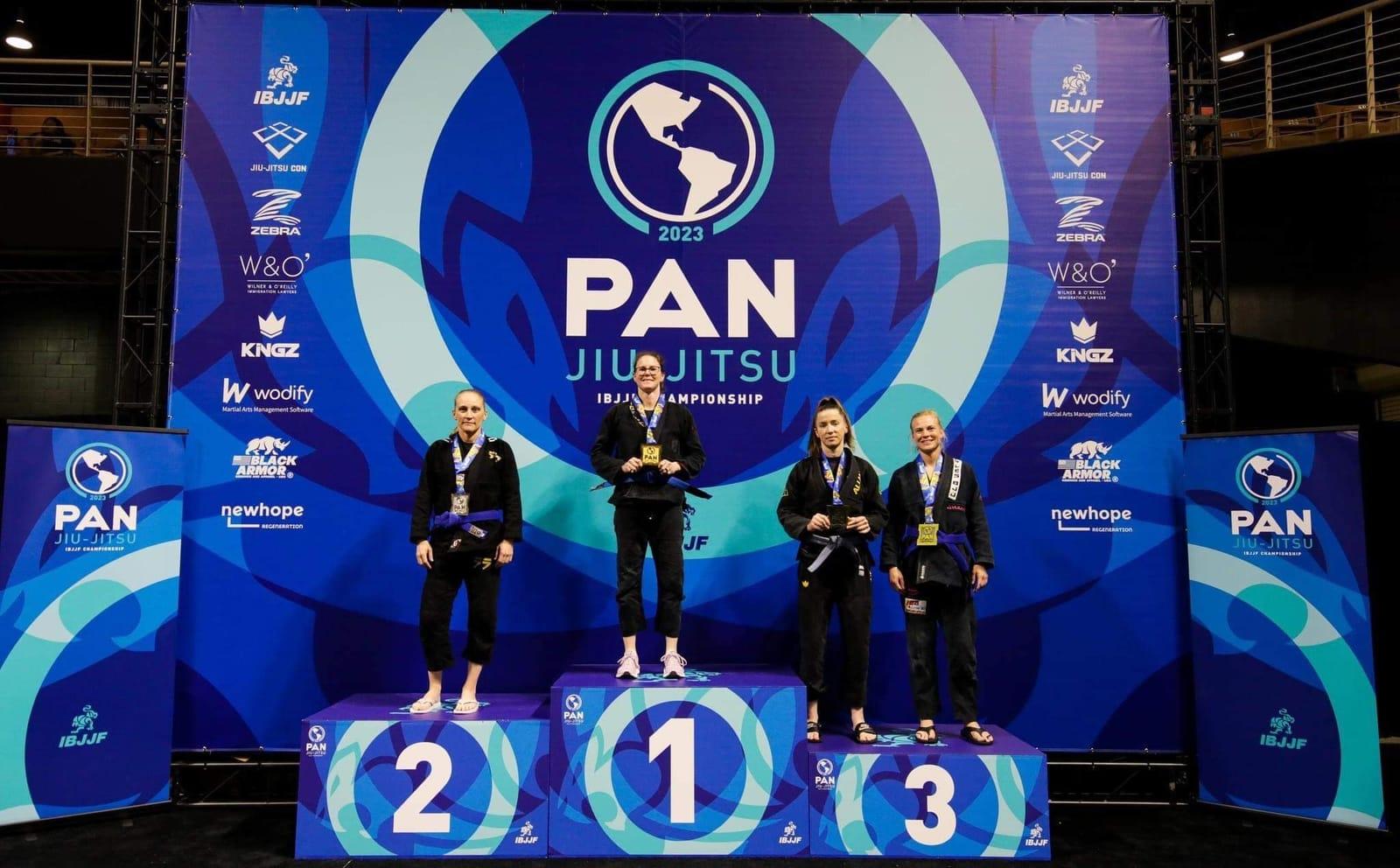
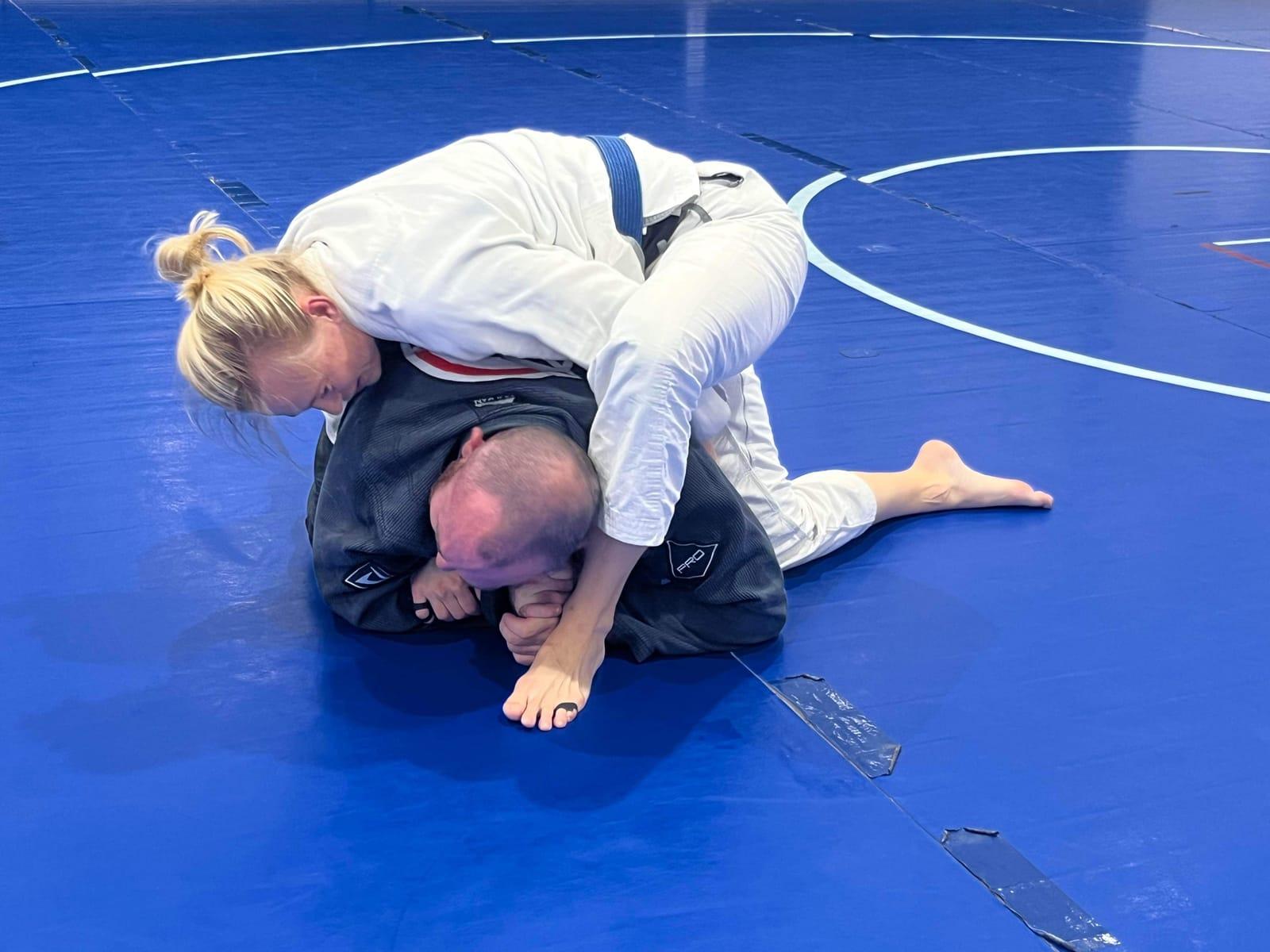
I compete in Brazilian jiu-jitsu, and this is where kettlebell work pays off most. It shows up on the mat as:
- —A grip that holds when the round gets long
- —Strength in awkward, off-balance positions
- —Getting up off the mat without thinking about it
- —Rotating under load without losing position
Why a Kettlebell, If You Already Lift?
A dumbbell is balanced and predictable. A kettlebell isn't, and that's the point.
The weight is off-center
The handle sits above the bell, so the load hangs away from your grip instead of lining up with it. Every stabilizer has to show up for every rep.
Your grip never gets a break
The bell pulls against your hand the whole set. Grip and forearm endurance get trained whether you planned on it or not.
Your body works as one piece
A dumbbell is great for isolating a muscle. A kettlebell makes everything from your feet to your fingers work together.
The Kettlebell Program
18 weeks, in three 6-week phases. Each phase change lands right about when most programs start to feel stale. It's a one-time purchase that's yours to keep, with coaching available if you want me in your corner.
Weeks 1–6
Phase 1 — Foundation
My A/B routine, 2–3 days a week, at the gym or at home. It builds the skills the next phases need: the clean, the press, the Turkish get-up, the Cossack squat and the windmill. Tempo progresses first, then the bell gets heavier.
Weeks 7–12
Phase 2 — BiotenseGRITy, 2-Bell
Outside and barefoot, three days a week. Two bells overhead for sprints, shuffles and carioca, with strength and mobility work between every trip. Your 180 jumps decide when the weight goes up.
Weeks 13–18
Phase 3 — BiotenseGRITy, Asymmetrical
One heavy bell, one light bell, and the contralateral 360 towel swing. Uneven load on every rep. This is the hardest phase.
BiotenseGRITy was co-created with Dean Carpenter.
After 18 weeks, run it again with heavier bells, or keep going with me through ongoing coaching.
What's Biotensegrity?
The term was coined in the late 1970s by orthopedic surgeon Dr. Stephen Levin. He took it from tensegrity (“tensional integrity”), the principle architect Buckminster Fuller and artist Kenneth Snelson developed in the 1940s: a structure that holds its shape through a balance of tension and compression.
Levin's point was that your body doesn't work like a set of levers and pulleys. Muscles, tendons, ligaments and fascia pull, bones push back, and the whole network moves as one. So the BiotenseGRITy phases don't just chase muscles. They train your joints, tendons and fascia to hold up together under load.
Who It's For
People who already train and are bored with the usual routine of bench, curls and machines, and want strength that shows up outside the gym.
Questions? Ask Me Directly.
The program isn't out yet, but I'm happy to talk about it. Tell me how you train now and what you want out of it.
or email me at rachael@rwpersonaltraining.com
Rather train in person? Book a session